CVD vs HPHT Diamonds: Which Lab-Grown Diamond Should You Choose in 2026?
Lab grown diamonds now account for nearly 20% of the global diamond market, and their popularity continues to rise as we move into 2026.
If you’re planning to buy a lab-grown diamond from Glora Diamonds, understanding the difference between CVD and HPHT diamonds will help you make a confident and informed choice.
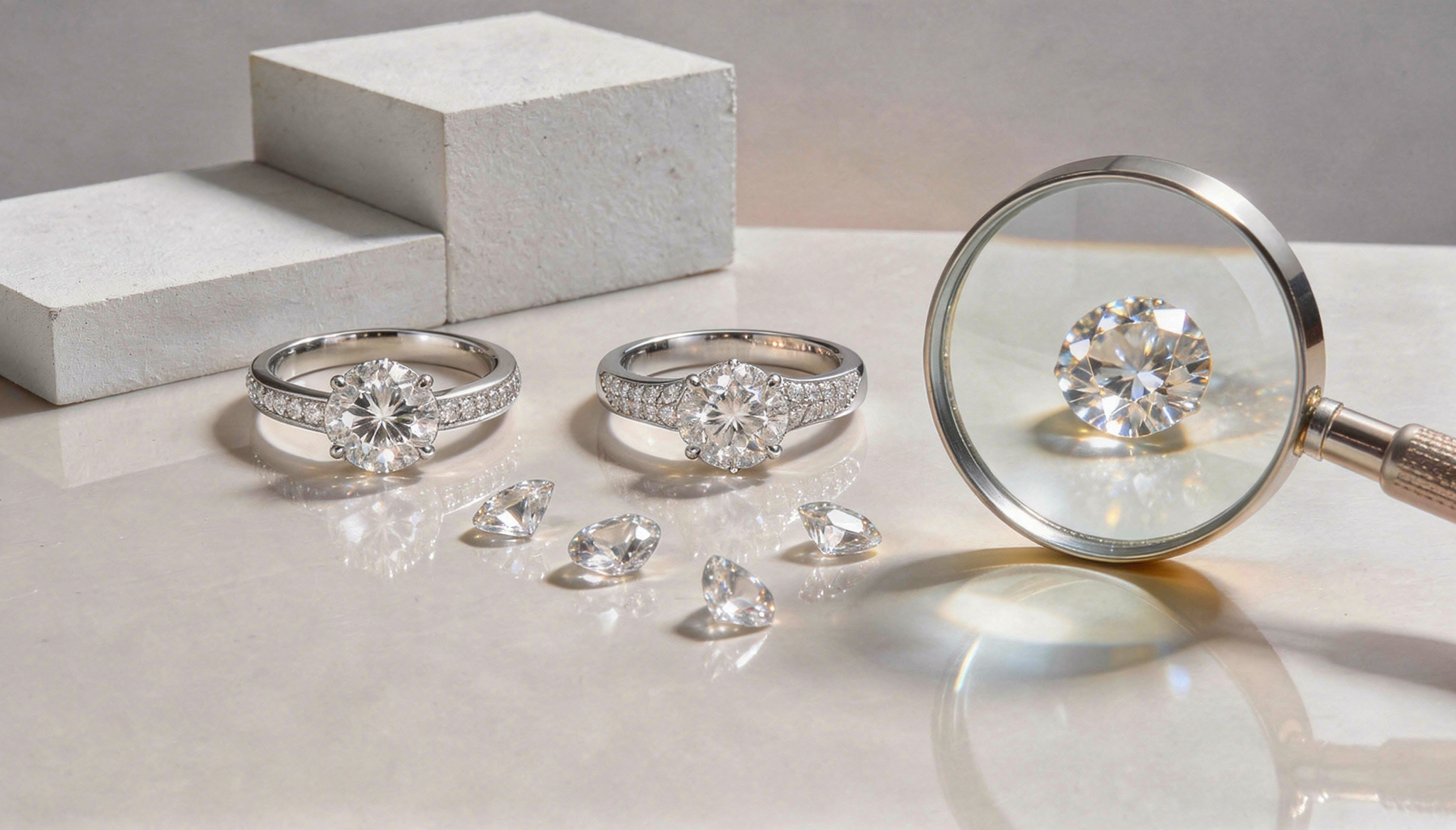
Both CVD and HPHT diamonds are 100% real diamonds.
They share the same chemical composition, physical strength, and optical brilliance as mined diamonds.
The only difference lies in how they are created.
What Are CVD Diamonds?
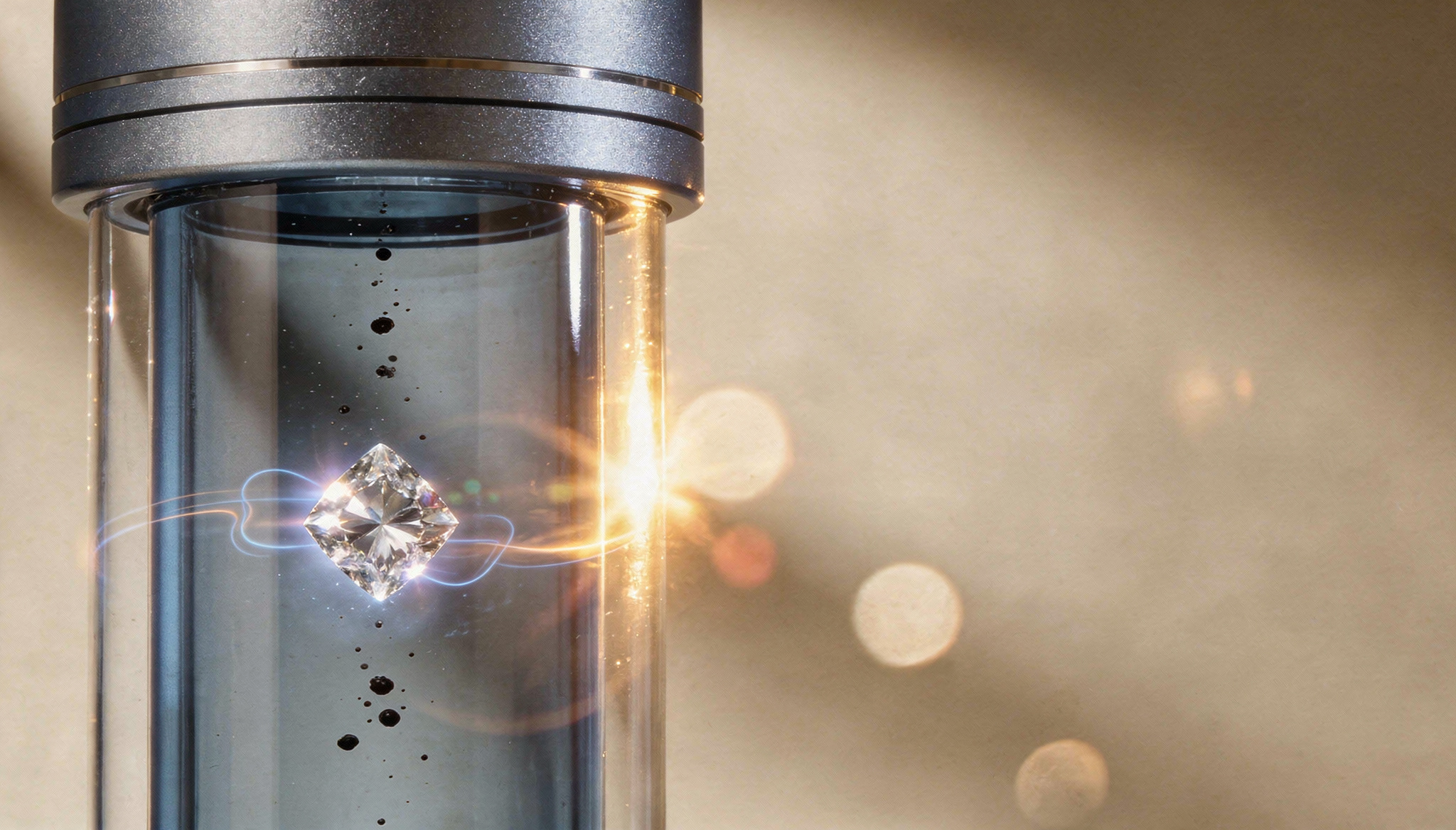
CVD (Chemical Vapour Deposition) diamonds are grown using a controlled laboratory process.
A small diamond seed is placed inside a sealed chamber filled with carbon-rich gases such as methane and hydrogen. When heated to around 800°C, the gases break down and carbon atoms slowly attach to the seed crystal. Over several weeks, the diamond grows layer by layer.
This precise, controlled method allows for excellent consistency and quality.
Advantages of CVD Diamonds
Superior Clarity:
CVD diamonds typically contain fewer metallic inclusions, resulting in higher clarity grades. Many stones fall within the VS1 to VVS range, making them ideal for engagement rings.
Better Color Control:
Lower nitrogen exposure leads to whiter diamonds. Most CVD diamonds at Glora Diamonds naturally fall in the D–F color range without additional treatment.
Larger Carat Sizes:
CVD technology is better suited for producing larger diamonds, especially above 2 carats, making it a popular choice for statement jewelry.
Better Value for Money:
CVD diamonds usually cost 10–15% less than comparable HPHT diamonds and 40–60% less than mined diamonds.
Considerations with CVD Diamonds
Some CVD diamonds may show internal strain patterns under advanced laboratory equipment.
These are not visible to the naked eye and do not affect brilliance or durability.
At Glora Diamonds, only carefully selected, high-quality CVD diamonds are offered.
What Are HPHT Diamonds?
HPHT (High Pressure High Temperature) diamonds are created by replicating the natural conditions found deep within the Earth.
A diamond seed is placed under extreme pressure (over 1.5 million PSI) and temperatures exceeding 1,500°C. Carbon melts and crystallizes around the seed, forming a diamond.
HPHT was the first commercially successful lab grown diamond method and remains widely used today.
Advantages of HPHT Diamonds
Proven, Long-Standing Technology
HPHT has been refined over several decades and has a strong production history.
Best for Fancy Colors
HPHT diamonds are particularly effective at producing yellow and blue diamonds, making them ideal for colored diamond jewellery.
Faster Growth Process
HPHT diamonds generally grow faster than CVD diamonds.
Natural-Like Growth Patterns
Their crystal structure often resembles mined diamonds more closely.
Considerations with HPHT Diamonds
- Due to extreme growth conditions, some HPHT diamonds may contain metallic inclusions from the growth chamber.
- Very high clarity grades such as IF or FL are slightly rarer.
- Colorless HPHT diamonds may also require post-growth treatment.
CVD vs HPHT Diamonds: Key Comparison
| Feature | CVD Diamonds | HPHT Diamonds |
|---|---|---|
| Diamond type | 100% real diamond | 100% real diamond |
| Best for | Engagement rings, larger stones | Fancy color diamonds |
| Typical clarity | VS–VVS | SI–VS |
| Color availability | D–F (colorless) | Yellow, Blue |
| Price (2026) | Slightly lower | Slightly higher |
| Certification | IGI / GIA |
IGI / GIA |
Price: CVD diamonds cost 10-15% less than HPHT diamonds of comparable quality, especially above 2 carats. Both offer 40-60% savings versus mined diamonds.
Which Should You Choose?
Choose CVD if you want:
- Maximum size for your budget (especially over 2 carats)
- Highest clarity grades (VVS to FL)
- Colorless diamonds (D-F range)
- Most affordable option per carat
Choose HPHT if you want:
- Fancy colored diamonds (yellow or blue)
- Traditional growth characteristics
- Decades of refined technology
The truth? For most jewelry, growth method matters less than the four Cs: cut, clarity, color, and carat. Both CVD and HPHT diamonds from Glora Diamonds are certified, stunning, and indistinguishable in everyday wear.
Glora Diamonds Quality Standards
Every lab grown diamond undergoes rigorous quality control regardless of creation method. We partner with leading laboratories for independent certification, hand-select stones meeting exacting standards, provide comprehensive documentation including growth method disclosure, and offer lifetime warranties.
Our gemologists evaluate each diamond for optimal light performance, ensuring maximum brilliance and fire. We maintain transparency about growth methods while helping you focus on finding your perfect diamond.
Expert Recommendations for 2026
Both CVD and HPHT technologies produce exceptional quality stones. Your decision should be guided by specific priorities.
For engagement rings under ₹2,00,000: CVD diamonds provide better value, maximizing size and quality within budget.
For colored diamond jewelry: HPHT remains superior for vibrant yellows and blues.
For heirloom-quality pieces: Both create diamonds lasting generations. Focus on certification and the four Cs.
For ethical consumers: Both offer transparent, conflict-free alternatives to mined diamonds.
2026 Market Trends
Younger consumers particularly embrace lab-grown diamonds. CVD represents approximately 70% of new colorless diamond production, while HPHT maintains position for fancy colors and smaller stones.
Certification standards have become more rigorous, with major laboratories providing detailed growth characteristics. This transparency benefits consumers while maintaining value of quality lab grown diamonds.
Pricing has stabilized after years of decline. Quality certified stones maintain value better than commodity-grade material, making now an excellent time to invest.
Frequently Asked Questions
Can jewelers tell the difference between CVD and HPHT?
A: Not with standard tools. Only specialized laboratories with advanced equipment can identify the growth method.
Do CVD and HPHT diamonds test as real?
A: Absolutely. Both pass all standard diamond tests. They are chemically, physically, and optically identical to mined diamonds.
Will my certificate indicate CVD or HPHT?
A: Modern certifications from IGI and GIA include the growth method in reports.
Are HPHT diamonds more natural than CVD?
A: Neither is more "natural", both are laboratory created. HPHT mimics conditions deep in Earth, CVD mimics interstellar space. Both produce equally real diamonds.
Can I upgrade my diamond later?
A: Glora Diamonds offers upgrade programs for both CVD and HPHT diamonds based on purchase value, not growth method.
Your Perfect Diamond Awaits
Whether you choose CVD or HPHT, you're selecting a stunning, sustainable, and affordable alternative to mined diamonds. At Glora Diamonds, we help you find the perfect stone matching your values, aesthetic, and budget.
Our collection features carefully curated CVD and HPHT diamonds in every shape, size, and quality grade. Each comes with full certification, detailed documentation, and our commitment to transparency.
The question isn't "CVD or HPHT?". it's "Which certified, beautiful diamond speaks to you?"
Ready to find your perfect diamond? Browse our collection of certified lab grown diamonds or schedule a consultation with our diamond experts.