Article: Can Lab Grown Diamond Jewellery Be Worn Daily? Durability & Care Explained
Can Lab Grown Diamond Jewellery Be Worn Daily? Durability & Care Explained
Can You Wear Lab Grown Diamonds Every Day? Complete Durability Guide
Lab grown diamonds have surged in popularity over the past few years, and many people wonder whether these stunning stones can handle the wear and tear of everyday life. If you're considering investing in lab-grown diamond jewelry or already own pieces you'd like to wear regularly, this comprehensive guide will help you understand their durability and how to care for them properly.
Understanding Lab Grown Diamond Durability
Lab grown diamonds are chemically, physically, and optically identical to mined diamonds. This means they possess the same remarkable hardness that makes natural diamonds so desirable for daily wear.
The Mohs Scale Rating
Both lab grown and natural diamonds score a perfect 10 on the Mohs hardness scale, making them the hardest naturally occurring substance known to humans. This exceptional hardness means your lab-grown diamond jewelry can absolutely withstand daily activities without scratching or losing its brilliance.
Key takeaway: Lab created diamonds are just as hard as earth-mined diamonds, scoring 10/10 on the Mohs hardness scale.
What This Means for Everyday Wear
Your lab grown diamond engagement ring, earrings, or necklace can handle regular exposure to daily activities like typing on a keyboard, cooking, or light exercise. The diamond itself is incredibly resilient and won't chip or scratch easily under normal circumstances.
Whether you're wearing lab grown diamond studs to the office or a lab grown diamond engagement ring 24/7, these stones are built to last a lifetime.
How to Care for Lab-Grown Diamond Jewelry
While lab grown diamonds themselves are extremely durable, proper care will keep your jewelry looking brilliant for years to come.
Daily Cleaning Tips
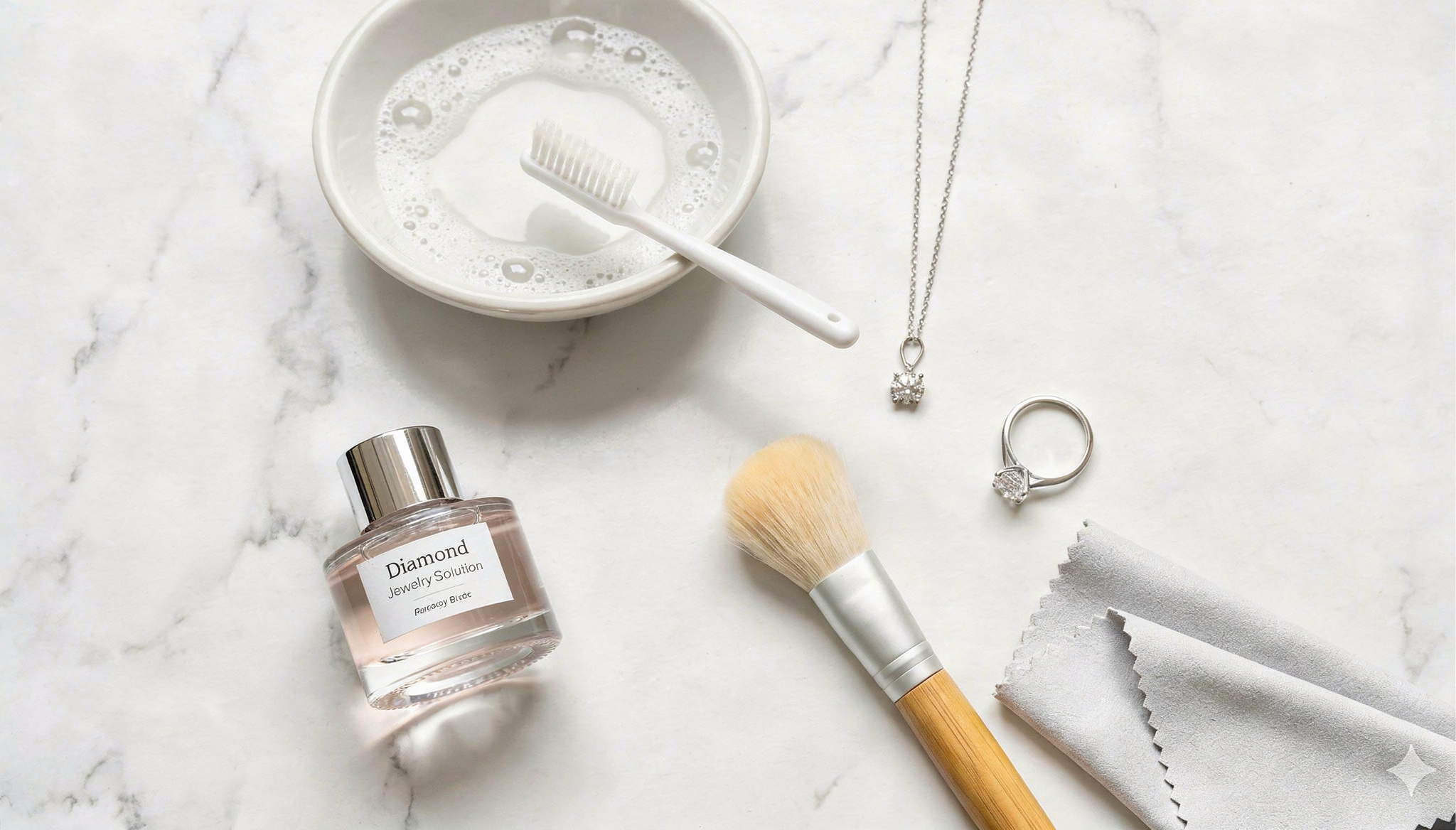
Over time, lotions, soaps, and natural oils from your skin can create a film on your diamonds, making them appear less sparkly. To maintain that gorgeous shine, clean your lab grown diamond jewelry regularly at home using these simple steps:
- Create a gentle cleaning solution by mixing warm water with a few drops of mild dish soap
- Soak your jewelry for 20 to 30 minutes
- Use a soft-bristled toothbrush to gently scrub around the diamond and settings
- Rinse thoroughly under warm running water
- Pat dry with a lint-free cloth
Pro tip: Clean your diamond jewelry weekly to maintain maximum sparkle and brilliance.
When to Remove Your Jewelry
Although lab grown diamonds are tough, there are certain situations where you should remove your pieces to protect both the stone and the setting:
Remove jewelry during:
- Vigorous physical activities, sports, or heavy lifting (while the diamond won't scratch, a strong impact could potentially loosen the setting or damage the metal band)
- Applying hand creams, sunscreen, or doing household chores with harsh chemicals (these substances can build up and dull appearance)
- Swimming in chlorinated pools or soaking in hot tubs (chlorine can damage certain metal settings over time)
Professional Maintenance
Even with excellent home care, having your lab grown diamond jewelry professionally inspected and cleaned once or twice a year is a smart practice. A jeweler can check that prongs are secure, clean hard-to-reach areas, and ensure your pieces remain in excellent condition.
Find a certified jeweler near you to schedule your professional cleaning and inspection.
Comparing Durability: Lab Grown vs Natural Diamonds
Because lab grown diamonds and mined diamonds are identical in composition, there is absolutely no difference in durability between the two. Both can be worn daily with confidence, and both require the same level of care.
Comparison of Lab Grown and Natural Diamonds:
Property - Lab Grown Diamonds - Natural Diamonds
Mohs Hardness - 10/10 - 10/10
Chemical Composition - Pure carbon - Pure carbon
Daily Wear Suitability - Excellent - Excellent
Scratch Resistance - Maximum - Maximum
Care Requirements - Standard - Standard
The only differences between lab-grown and natural diamonds relate to their origin and price point, not their physical properties or suitability for everyday wear.
Learn more about the differences between lab grown and natural diamonds in our comprehensive comparison guide.
Protecting Your Investment
Lab grown diamonds offer excellent value, but you still want to protect your investment. Consider these additional tips:
Storage best practices:
- Store your jewelry separately in soft pouches or a jewelry box with individual compartments to prevent pieces from scratching each other
- While diamonds won't scratch easily, they can potentially scratch softer gemstones or metals
- Keep pieces in a cool, dry place away from direct sunlight
Insurance considerations: Consider getting your valuable pieces insured, just as you would with natural diamond jewelry. Many insurance companies now cover lab-grown diamonds at their appraised value.
Get a free insurance quote for your lab grown diamond jewelry.
The Bottom Line
Lab-grown diamond jewelry is absolutely suitable for daily wear. These diamonds possess the same incredible hardness and durability as mined diamonds, making them an excellent choice for engagement rings, wedding bands, and everyday accessories.
With proper care including regular cleaning, occasional professional maintenance, and common-sense precautions during certain activities, your lab grown diamond jewelry will maintain its beauty and brilliance for a lifetime. The affordability of lab-grown diamonds means you can enjoy larger, higher-quality stones for daily wear without worrying about excessive wear and tear.
Whether you choose lab grown or natural diamonds, both options will serve you beautifully as everyday jewelry. The choice ultimately comes down to personal preference and values rather than durability concerns.
Ready to shop? Explore our collection of lab grown diamond jewelry or schedule a virtual consultation with our diamond experts.
Frequently Asked Questions About Lab Grown Diamond Durability
Do lab grown diamonds scratch easily?
No. Lab-grown diamonds rate 10 on the Mohs scale and resist scratching from normal daily activities just like natural diamonds. Only another diamond can scratch a lab grown diamond.
How often should I clean my lab grown diamond jewelry?
Clean at home weekly using mild soap and warm water, and schedule professional cleaning once or twice per year for optimal brilliance and to ensure settings remain secure.
Will my lab grown diamond lose its sparkle over time?
No. Lab-grown diamonds maintain their optical properties permanently. Any perceived dullness comes from surface buildup of oils, lotions, and dirt. Regular cleaning removes this buildup and restores full sparkle.
Can I wear my lab grown diamond ring in the shower?
While the diamond itself won't be damaged, repeated exposure to soaps and shampoos can create buildup that dulls appearance. It's best to remove jewelry during showers to minimize cleaning frequency and protect metal settings.
Are lab grown diamonds as strong as natural diamonds?
Yes. Lab grown and natural diamonds have identical physical properties, including strength, hardness, and durability. Both are rated 10 on the Mohs scale and suitable for lifelong daily wear.
Can lab grown diamonds chip or break?
While extremely hard, lab grown diamonds can chip if subjected to a sharp, forceful blow at specific angles, just like natural diamonds. This is rare during normal wear but can happen during high-impact activities or accidents.
How long do lab grown diamonds last?
Lab grown diamonds last forever. They don't degrade, fade, or deteriorate over time. With proper care, they'll look as brilliant in 100 years as they do today.
Are lab grown diamonds good for engagement rings?
Absolutely. Lab grown diamonds are an excellent choice for engagement rings due to their durability, beauty, and value. They withstand daily wear just as well as natural diamonds and often allow buyers to afford larger or higher-quality stones.
Related Articles:
- Natural vs Lab-Grown Diamonds: A Complete Guide for Buyers
- Your Guide to Lab Grown Diamonds in Chennai: 7 Mistakes to Avoid (2026)
- Engagement Ring Trends 2025–26: What’s Hot at Glora Diamonds
Share this article: Facebook | Twitter | Pinterest | Email
Last Updated: January 2026