


Diamond Education
Can You Wear Lab-Grown Diamond Jewellery Every Day?
Diamond hardness is only part of durability. Compare settings, fastenings and everyday care to choose jewellery that suits your routine.

On this page
Yes—lab-grown diamond jewellery can be suitable for everyday wear. The important distinction is that a diamond’s scratch resistance does not make the complete piece indestructible. The stone, metal, setting and fastening all need consideration.
Whether you are choosing an engagement ring or everyday earrings with Glora Diamonds in Chennai or Bangalore, understanding those differences helps you select and care for your jewellery.
How Durable Are Lab-Grown Diamonds?
Lab-grown diamonds have essentially the same chemical, physical and optical properties as natural diamonds. Specialist laboratories can distinguish their origin through differences in growth characteristics. GIA explains how the two compare.
Both have a Mohs hardness of 10. This describes resistance to scratching—not resistance to every type of damage.
|
Part of the jewellery |
What matters for everyday wear |
|---|---|
|
Diamond surface |
Strong resistance to scratches |
|
Diamond edges and points |
Protection from sharp impacts |
|
Metal band or mount |
Thickness, construction and condition |
|
Setting |
Secure stone retention |
|
Earring or necklace fastening |
A closure that works properly |
Diamonds can chip or fracture if struck hard in a vulnerable area. Pointed corners and existing damage deserve particular attention. Read GIA’s guidance on preventing diamond chips.
Choose the Complete Design for Your Routine
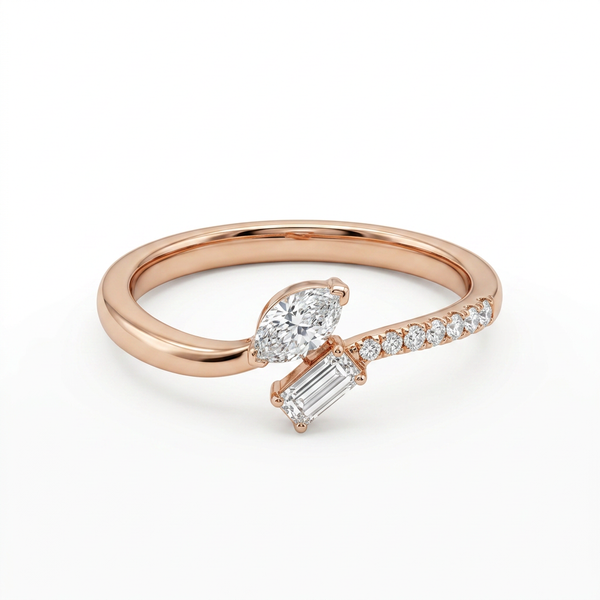
For a ring, consider setting height, band width and whether the design catches on clothing. If you wear several rings together, check that they do not rub against each other.
For earrings, assess weight and fastening. For pendants, confirm the chain specifications and closure.
Explore Glora’s engagement rings, earrings and pendants, then discuss how you intend to wear your chosen piece.
When Should You Remove Diamond Jewellery?
Remove it before weight training, contact sports, heavy lifting or tasks that could strike or compress the setting.
Take it off before swimming and using harsh cleaning products. Chlorine bleach can damage metals used in jewellery, while abrasive cleaners can scratch the setting. Avoid toothpaste as a jewellery cleaner. GIA explains suitable cleaning methods.
Keep a designated jewellery pouch or box nearby so removing a piece does not mean leaving it somewhere easy to forget.
How to Clean Lab-Grown Diamond Jewellery
For diamond-and-gold pieces that your jeweller confirms are suitable for home cleaning:
-
Use lukewarm water with a little mild dishwashing liquid.
-
Gently clean accessible areas with a soft brush reserved for jewellery.
-
Rinse in a separate bowl of clean water.
-
Dry with a soft, lint-free cloth.
Ask for specific instructions if the piece includes pearls, other gemstones, special finishes or enclosed settings.
Avoid home ultrasonic or steam cleaning unless a professional has assessed the piece. These methods can loosen stones. See GIA’s diamond care guide.
Does a Lab-Grown Diamond Lose Its Sparkle?
Oil, lotion and dirt can reduce its apparent sparkle. Cleaning may restore its appearance, but persistent cloudiness, a moving stone or a damaged setting needs professional inspection.
Store jewellery separately: diamonds can scratch other diamonds, softer gemstones and precious metals.
Everyday Diamond Jewellery with Glora Diamonds
Ask our team about the setting, fit and care requirements of the piece you are considering. For something personal, explore Glora’s custom jewellery service.
Share
Keep exploring
A little more to discover

How to Clean Your Engagement Ring Safely
Gentle cleaning can remove everyday build-up. Learn what to check first, which methods to avoid and when your ring needs a jeweller’s attention.

South Screw vs Bombay Screw: Which Earring Back Should You Choose?
Compare South/Madras Screw and Bombay Screw fittings, then check the actual post, backing, weight and comfort of your chosen earrings.

14K vs 18K vs 22K Gold: A Simple Buying Guide
Compare 14K, 18K and 22K gold by purity, design suitability and complete price. Learn how to read a hallmark and check the rate in your quotation.
A little guidance from Glora
Prepare the right care question
Can You Wear Lab-Grown Diamond Jewellery Every Day?
Care advice should match the setting and condition of the piece.
Identify the piece Open to explore
Keep the product name or a clear photograph ready. Note the metal, setting and any other stones before asking about cleaning.
Describe what has changed Open to explore
Mention a loose stone, damaged fastening, bent setting or other concern. Ask the team to assess the piece before trying a cleaning method.
Keep the details together Open to explore
Keep your purchase reference and any report with the enquiry. Ask for the assessment and any work required for the specific piece.
Illustrations explain what to compare; they do not represent a particular product or its dimensions.